We All Have Wings
We All Have Wings emerged from my lifelong search to understand my place in the world. For years, I experienced my way of thinking, feeling and perceiving as something that was inherently wrong and needed to be corrected. Discovering neurodiversity offered me a new perspective: that difference is not a flaw or disorder, but part of the richness of life itself. It was through looking closely at the natural world that this understanding truly began to take root. I found that experiences I had believed to be deeply personal already existed throughout the fundamental design of nature.
Birds, marine creatures and ecosystems became companions in this exploration, through which I discovered patterns that connect us all. Each revealed different ways of surviving, adapting and relating to the world. Biodiversity showed me that life does not flourish through uniformity, but through variation, interdependence and continual transformation. Rather than looking at nature as something separate from ourselves, I see it as another form of intelligence—one that includes countless ways of belonging and becoming, continually reshaping how I understand myself and the world around me.
Across this series, personal experiences of darkness, sensitivity, vulnerability and transformation become part of life’s wider patterns. Through connecting multiple sources of understanding, such as scientific discoveries, mythology, symbolism, music and photographic fragments of my life, I explore how resilience emerges through diversity. This intuitive process of gathering works like an inner ecosystem, where elements come together and unexpected relationships give rise to new meanings. With my hand-painted drawings, I aim to capture the essence of this complexity through abstraction: a single image that describes the same underlying reality and reveals newly discovered truths.
We All Have Wings invites you to reconnect with the natural world and notice the intelligence, beauty and resilience within all forms of existence. From the smallest organism to the human imagination, every being carries its own unique way of navigating the world. Diversity—in nature and within ourselves—is what allows life to adapt, flourish and evolve.
♫ You can listen to the songs that became part of my discovery here on Spotify.
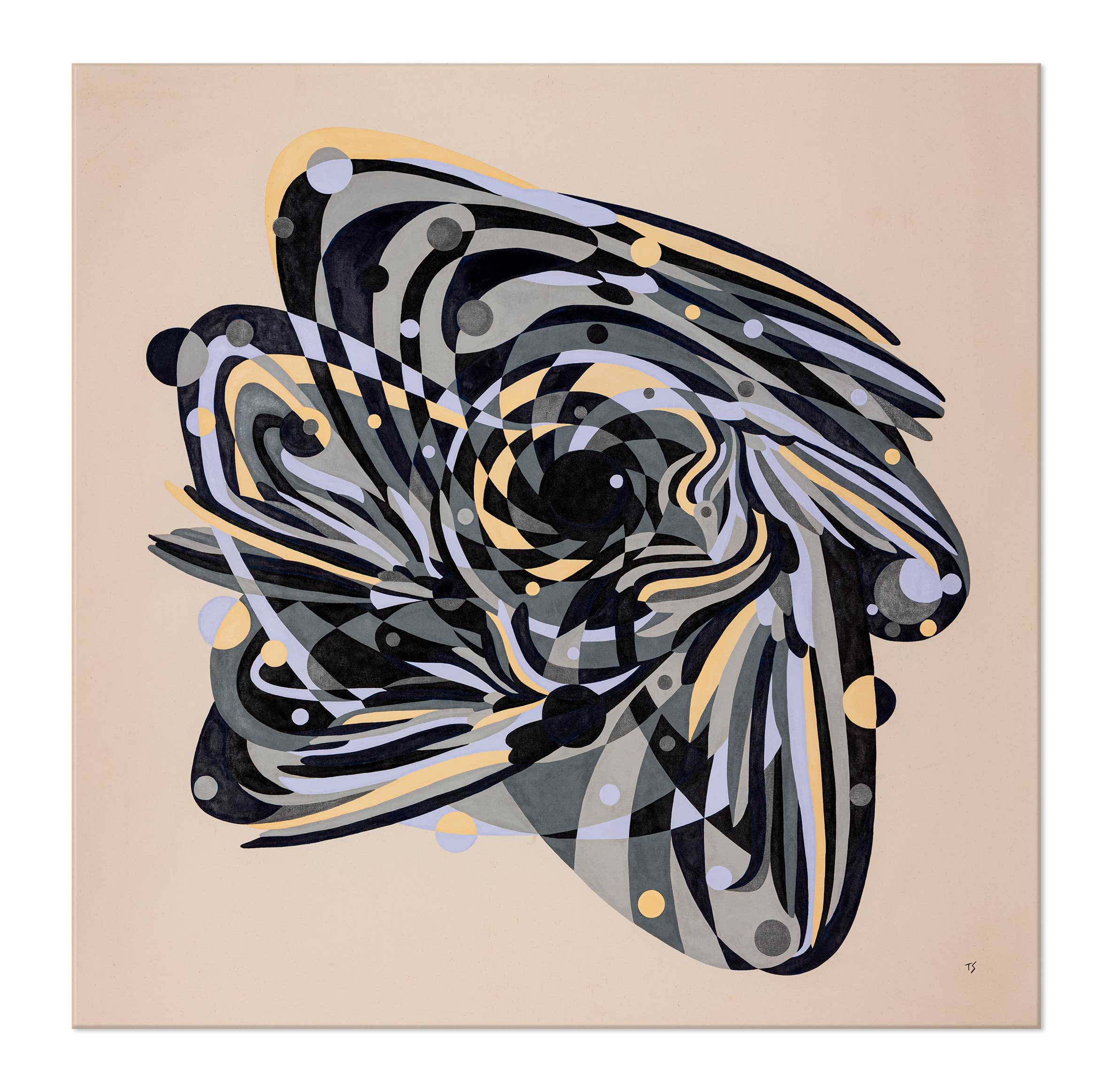
Black Swallow
There are moments when darkness can feel overwhelming, as if something invisible is pulling everything inward. Black Swallow emerged from my experience of being swallowed into darkness—a feeling that can arrive with the force of gravity, leaving little room for light. Turning to black holes, swallows and photography became a way of understanding that even the darkest currents are not permanent. They move, transform and eventually pass.
A black hole can form when a massive star collapses under its own gravity. Its gravitational field becomes so intense that even light cannot escape. Yet the darkness is never entirely silent. As a nearby star is drawn towards it, luminous streams of matter briefly emerge, making the invisible force visible before disappearing again.
Closer to Earth, swallows respond to subtle changes in their environment. Their low flight before a storm has long been observed as a sign of changing weather. They sense shifts in air pressure and the movement of insects, responding to atmospheric tensions long before humans perceive the storm itself.
Photography offers another encounter with the unseen. A shutter opens for a fraction of a second, allowing light to enter. Within that brief interval, movement is transformed into a fixed image—a trace of something that has already passed.
In Black Swallow, these moments converge and suggest that invisible forces are constantly shaping our lives, making everything impermanent. The work invites us to trust how life unfolds naturally, and to consider how much of the world—and of ourselves—is already speaking to us, if we learn how to notice.
♫ Bulbo – Feathered Sun, Jo.Ke, Chris Schwarzwälder
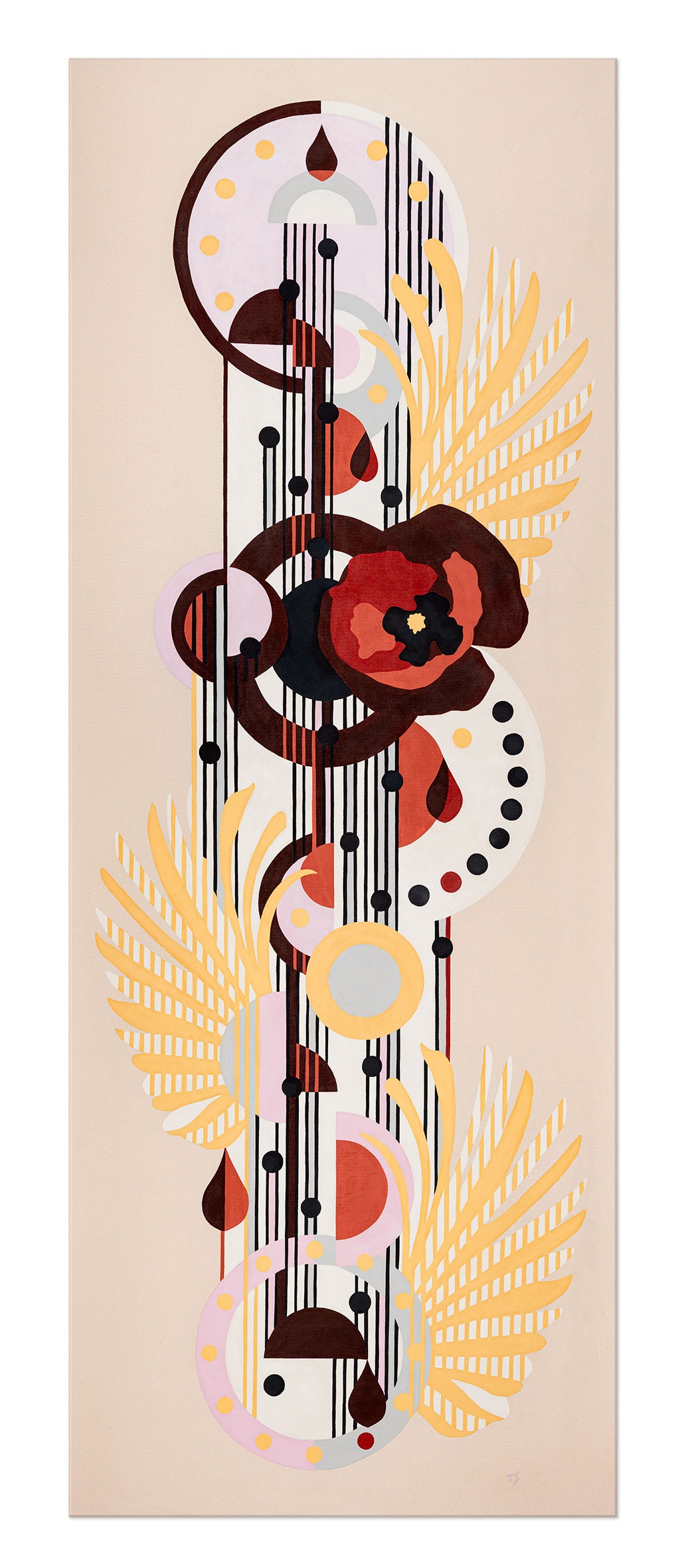
Storm Warning
“Being the canary in the coal mine”—a phrase once used by my mom to describe me. The one who notices subtle shifts in the atmosphere before they can be explained. Often, that person is also called “too sensitive” by our society. However, across centuries, humans and animals have used their sensitivity to recognize signs and warn others before danger arrives, making it an essential force in our survival.
The expression “canary in the coal mine” comes from a literal practice. Coal miners once brought canaries underground because the birds were sensitive to toxic gases such as carbon monoxide. If a canary became ill, it served as an early warning that the air had become unsafe. A small, vulnerable creature became a life-saving messenger.
Storms, too, have long been associated with warning and preparation. Across Europe, large bells were used to alert communities to approaching danger. The surname Storm, found in European traditions, carries connections to occupations related to warning people of severe weather, as well as stormy characteristics.
Another warning element reaches into mythology. The Greek Titan Kronos is often depicted carrying a curved sickle, a symbol later connected with his ability to destroy and transform all things, cutting the threads of time. An image representing the passing of moments and the unavoidable movement of change.
In Storm Warning, these references form a reflection on awareness. They each reveal a threshold: the moment before something shifts from hidden to perceptible. The work suggests sensitivity not as a weakness, but as a way of listening to our surroundings, to ourselves and to the changing world.
♫ Storm Warning – I Am Kloot
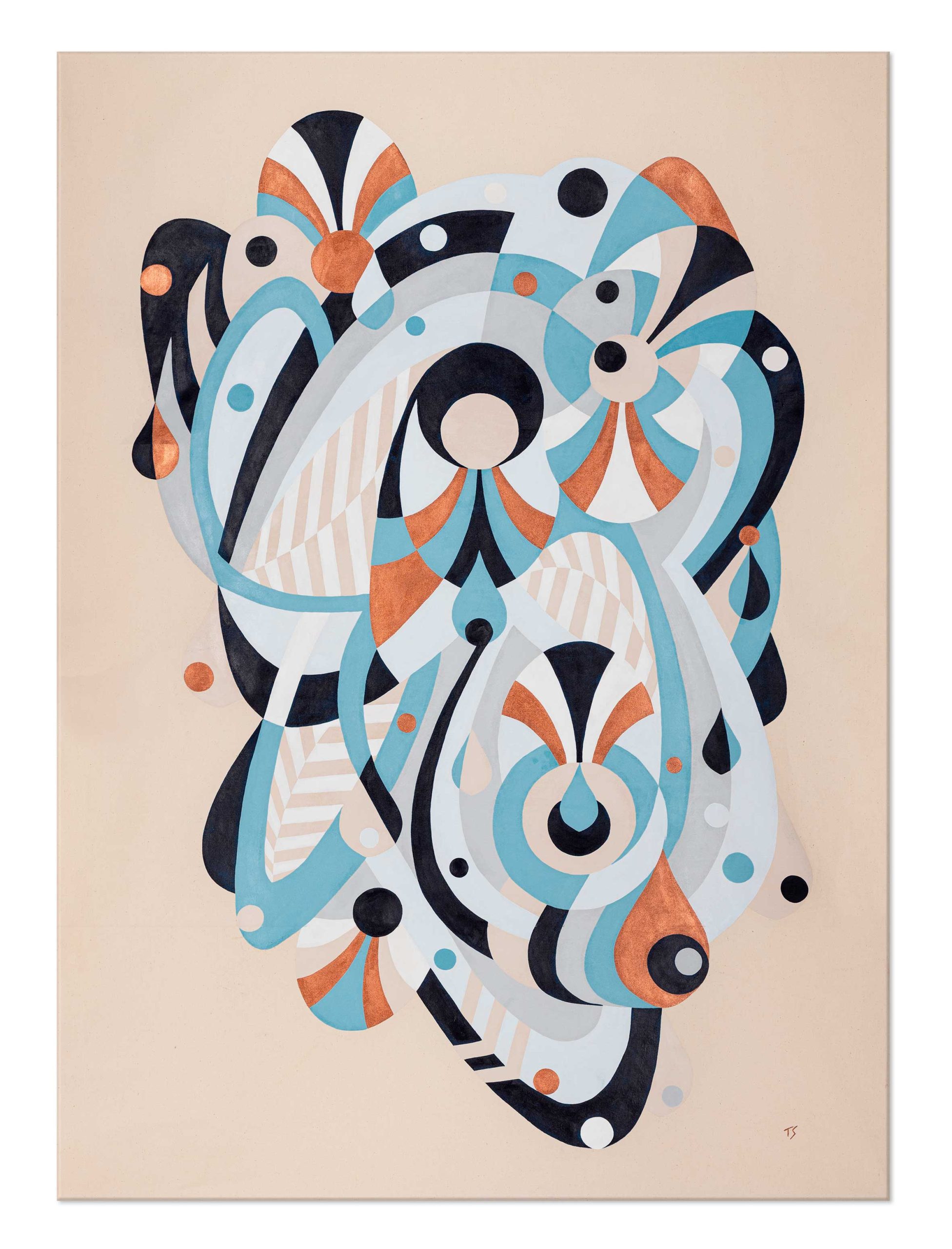
Ocean Tears
Growing up as a girl whose differences were not recognised by society, I carried a quiet feeling of being unseen, always searching for belonging and affection. Looking to the natural world, I discovered that attachment is not a dependency, but a fundamental condition of life. In the relationship between the blue marlin and the remora, attachment creates safety, movement and protection.
These two fish species reveal one of many ways living beings exist through connection. A specialised suction disc allows the remora to attach itself to the marlin as it swims through the sea. It gains protection, transport and access to food, while the marlin is not harmed. This relationship is a form of coexistence known as commensalism.
In psychology, secure attachment describes the relationships that allow children to feel safe enough to explore, learn and develop. These bonds are shaped not only by care and affection, but by recognition — by being seen and understood. For neurodivergent children, especially those whose differences are overlooked by society, this sense of belonging can be harder to find.
Throughout history, people have also sought attachment through community. Early Christians are believed to have used the image of a fish as a secret sign of recognition during times of persecution. Across cultures and generations, shared symbols have allowed people to find one another, offering a sense of belonging when it is not freely given.
In Ocean Tears, these stories meet: a fish that clings to another, a child searching for understanding, and a communal symbol all speak of the same universal desire: to belong. It suggests that attachment is not a weakness, but a living relationship through which individuals find safety, recognition and the freedom to move through the world as themselves.
♫ Ocean Tree – Feathered Sun, Jo.Ke, Raz Ohara, Johannes Laumer, Christopher Schwarzwälder, Nu
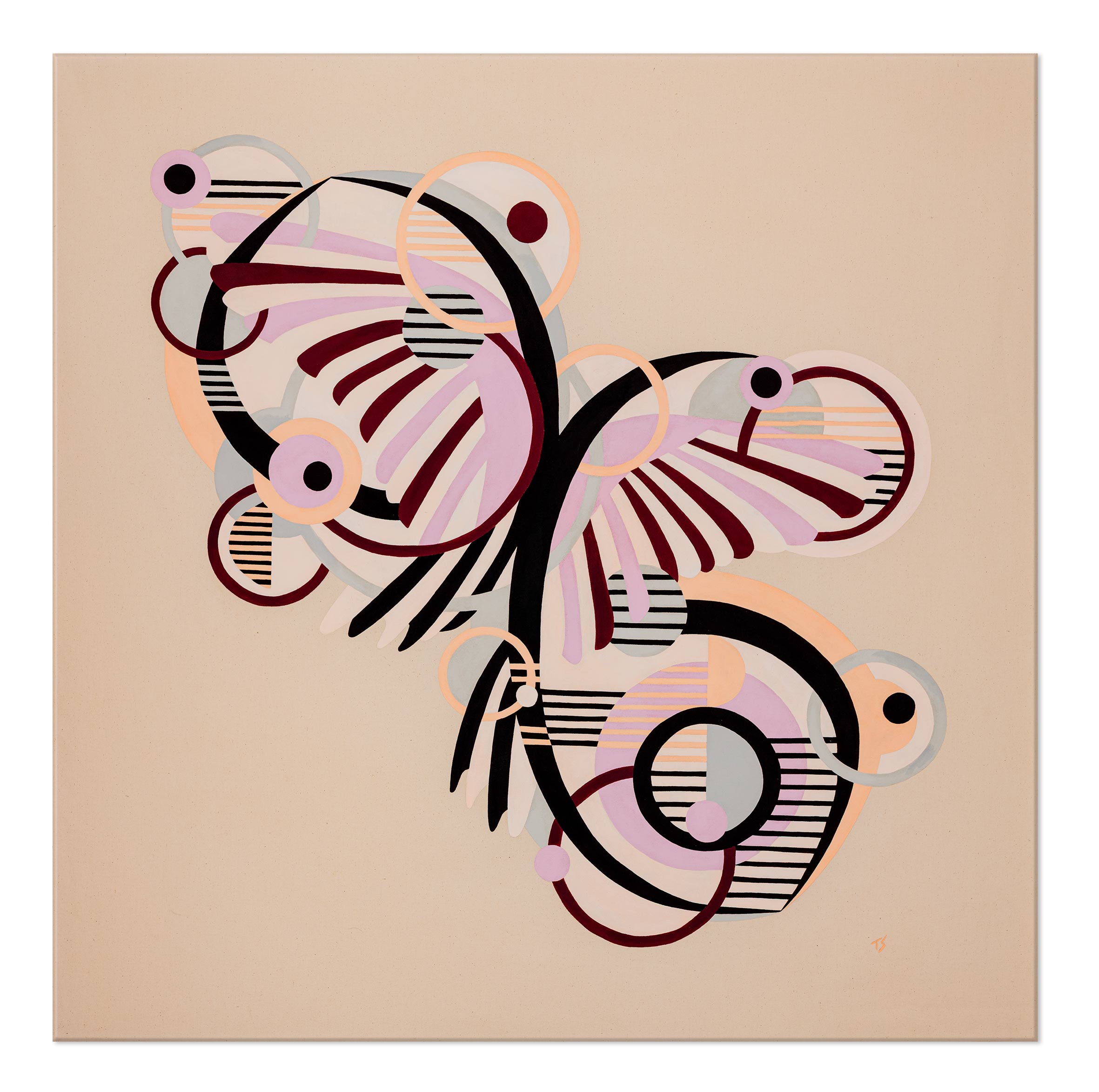
Angels of Freedom
Angels of Freedom emerged from my experience of moving through systems that were intended to offer care, but often failed, leaving me trapped in a cycle of misclassification and misunderstanding. The fragile relationship between the Palanca Negra and the oxpecker became a reflection on these disrupted connections, where human interventions can also alter the natural balance.
The Palanca Negra’s powerful presence has made it a symbol of beauty, vitality and strength. This rare sable antelope shares its environment with oxpeckers—birds that often travel on the backs of large mammals. Using their specialised beaks, the birds feed on ticks and other parasites living in the animals’ coats. The oxpecker gains a reliable food source, while the antelope benefits from this natural cleaning process.
Yet relationships in nature are sensitive to change. When human practices alter ecosystems, ancient connections can become disrupted. On farms, the use of toxic pesticides to remove parasites from livestock reduces the food available to oxpeckers. This leads the birds to feed on wounds instead, encouraging more parasites to settle in, resulting in increased pesticide use. A relationship that was once beneficial can become trapped in a self-reinforcing loop.
This disruption of a natural relationship reflects a wider question: what happens when systems designed to support life lose sight of the complexity they are meant to protect?
In Angels of Freedom, the Palanca’s curved horns echo the infinity symbol, entangled within endless, disrupted cycles. The work suggests the possibility of breaking these patterns and restoring connection. It invites us to explore how diversity and freedom can flourish when different beings are given space to exist and support one another.
♫ I Want to Break Free – Queen
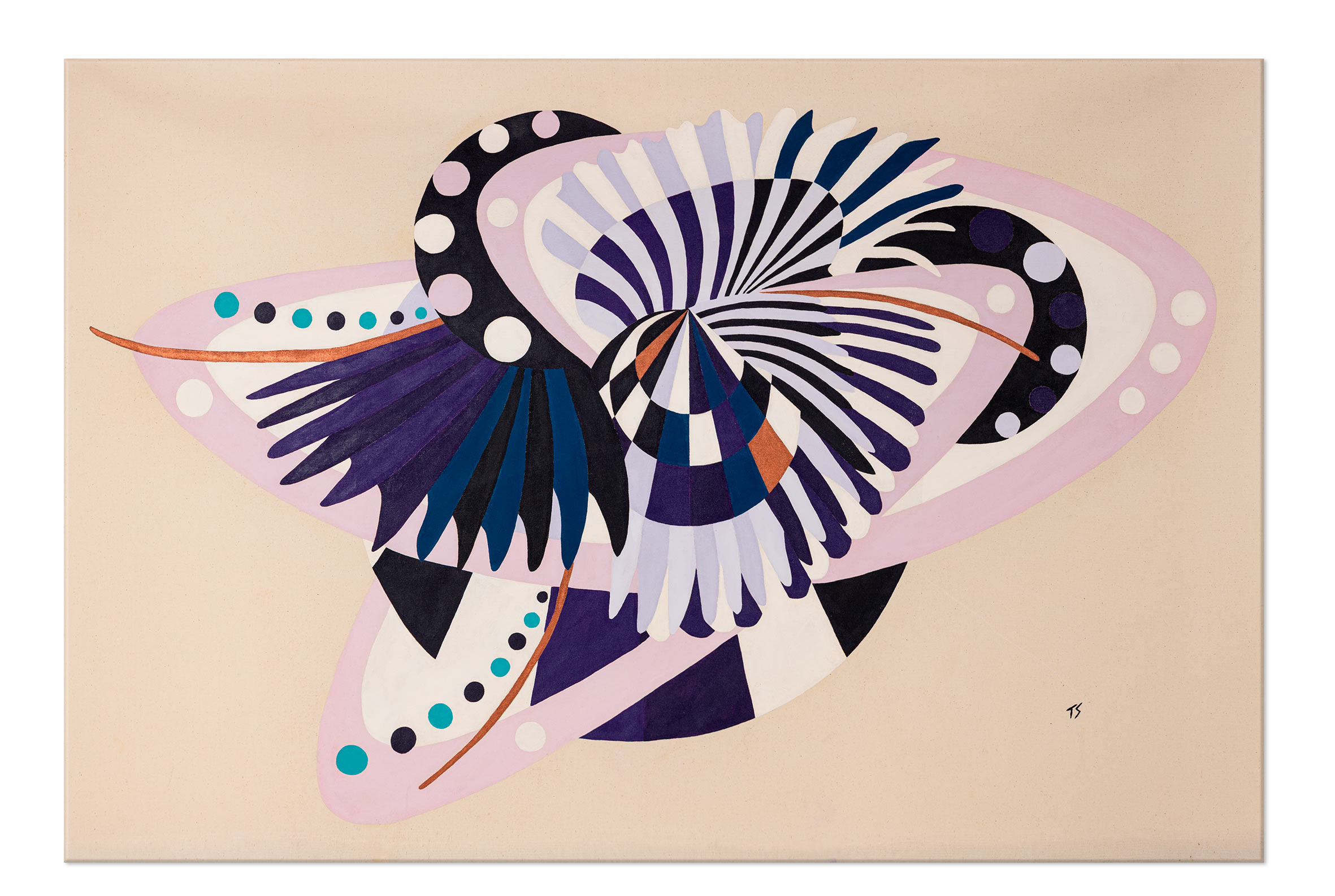
Cosmic Dancer
Often, I feel out of sync with the world around me, making me belief I need to blend in with others in order to belong. I began to realize that true belonging begins with trusting your own rhythm. One of my companions in this new belief is the lilac-breasted roller, a solitary bird known for its striking colours and graceful flight. It moves through the world in its own distinctive way.
Across the landscapes of East Africa, this little bird soars through woodlands, grasslands and river environments like a living artwork. Its extraordinary colours, created through millions of years of evolution, allow it to stand out rather than to disappear into its surroundings.
The roller’s relationship with its environment is equally distinctive. Instead of building its own nesting cavity, it recycles existing spaces in trees, palms or termite mounds, originally created by other animals. A place shaped by one life becomes an opportunity for another, revealing an ecosystem where different ways of living can exist side by side.
Finding the right conditions for growth also extends to our human behaviour. Asynchronous development describes the uneven pace at which different abilities can evolve. A person may excel in one area while developing more slowly in another. These different rhythms can make it difficult to feel at home in environments shaped around more typical patterns of learning, communication and expectation.
In Cosmic Dancer, the roller becomes a reflection on individuality and belonging. The bird does not need to resemble its surroundings to belong. It thrives by dancing to its own tune, finding the spaces where it can unfold. The work invites us to consider how many forms of learning and growth exist, and how much more life can flourish when there is room for different rhythms.
♫ Cosmic Dancer – Nick Cave
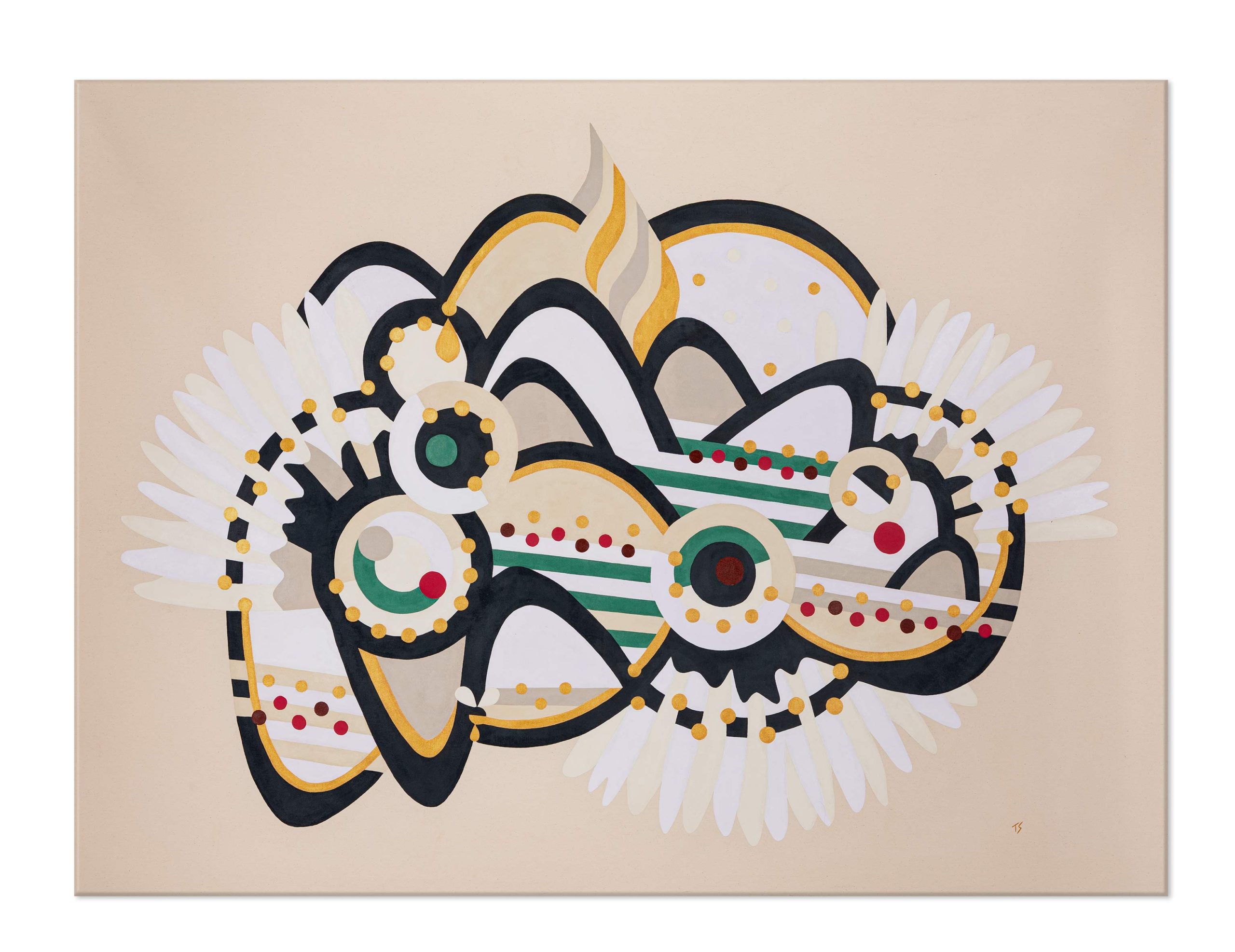
Going Rogue
In the past, I believed that being social was the way to feel worthy. I mistook sociability for belonging and tried to keep up with the rhythm of others, often pushing beyond my limits. Turning to the carmine bee-eater, kori bustard and the persistent work of the mythological bee Melissa, I discovered another form of value: creativity, observation and curiosity.
Carmine bee-eaters, known for their vibrant colours and highly social behaviour, gather in large colonies and feed on flying insects. Their keen eyesight and agile flight allow them to catch prey in mid-air. They are often attracted to wildfires because of the flushed insects, revealing opportunities hidden within moments of disruption.
These birds are mostly found alongside the kori bustard, Africa’s largest flying bird. As the bustards walk through grasslands searching for food, they stir up insects hiding among the vegetation. Bee-eaters take advantage of this sudden movement, while their visual alertness helps warn the bustards of approaching threats. Their relationship is a form of mutualistic symbiosis.
The little bee and honey are the connecting thread. In Greek mythology, Melissa the Bee represents dedication and the creation of value through persistent effort. She gathers tiny fragments and patiently turns them into honey—creating something entirely new. In the past, she had to sadly witness how other large scavenging animals stole from her work. Her story reflects the idea that value is not found in constant visibility or sociality, but in sustained attention, creativity and care.
Going Rogue is about stepping beyond familiar expectations into a space where uncertainty and possibility exist together. New discoveries and paths often appear when something moves differently from what came before. The work invites us to consider that our greatest qualities lie within the unique ways we each contribute to the world.
♫ Spinning Away – Brian Eno, John Cale
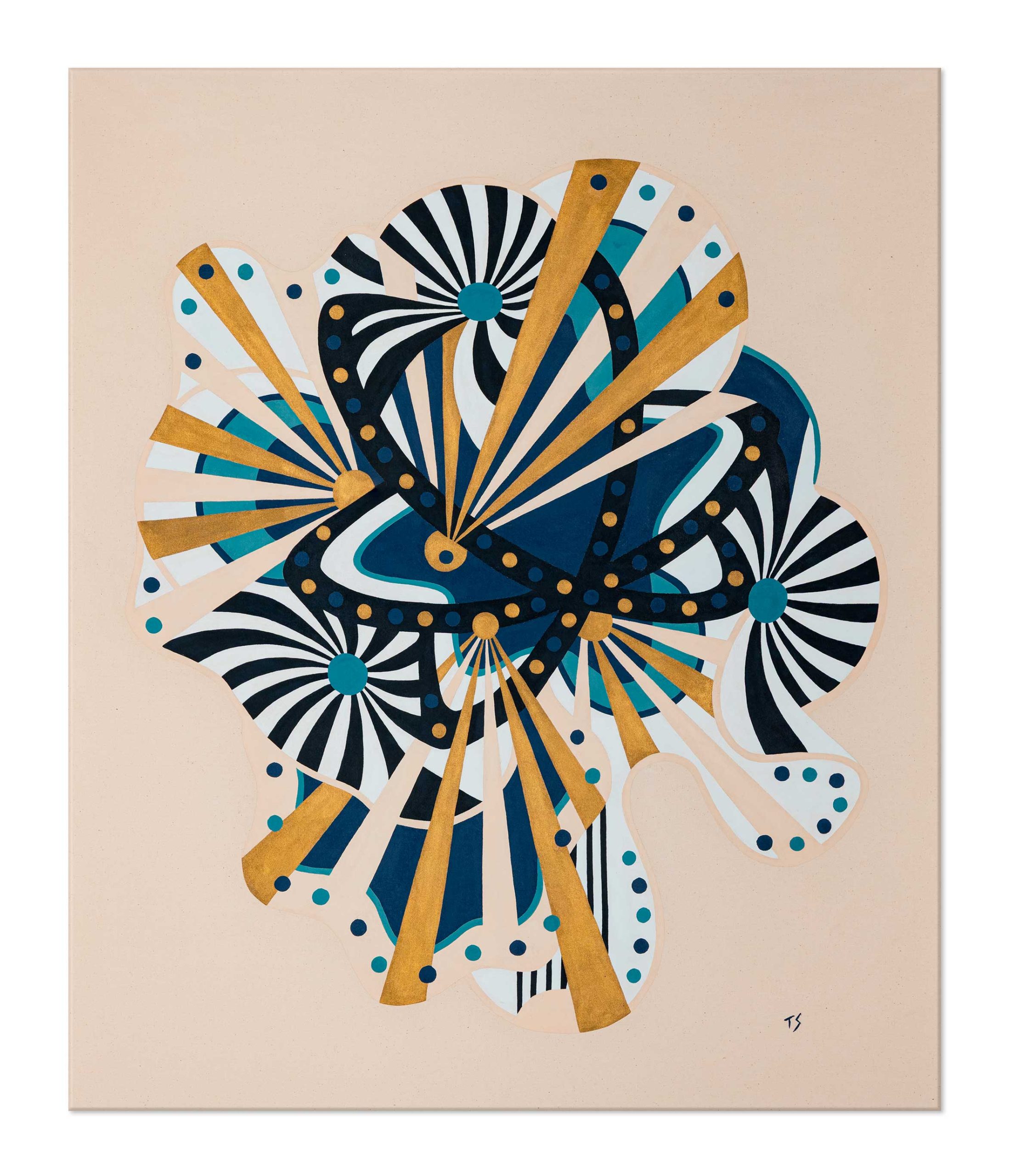
Sun Lighter
Sun Lighter emerged from my discovery that my strength was already within me, intensified through my encounter with Elysia. This sea slug survives by carrying fragments of sunlight within itself. Rather than changing completely, it integrates our shared life force and becomes more capable. It changed the way I understood transformation: I did not need to become someone else, but needed to recognise and use what was already present.
The remarkable Elysia sea slug feeds on algae. These algae contain chloroplasts—the structures that allow plants to capture sunlight and transform it into energy through photosynthesis. During digestion, the sea slug retains some of these chloroplasts within its own tissues, where they continue to function, providing an additional source of energy. This rare biological process is known as kleptoplasty.
The name Elysia also evokes another kind of transformation. In Greek mythology, Elysion is a place of light, beauty and peace, said to have originated from a single, fierce lightning bolt. Although the sea slug’s scientific name has no connection to the myth, the association conjures an image of ‘Apollo—a solar-powered sea slug’, carrying fragments of sunlight across the ocean floor.
The Greek god of the sun represents music, through the lyre; poetry, healing and prophecy. His light has long symbolised illumination, creativity and the life-giving force of nature.
Sun Lighter reflects on the hidden resources within us and the possibilities that emerge when we learn to recognise our strengths. The work invites us to reconsider where one stage of life ends and another begins. Perhaps transformation happens not only by becoming something completely new, but by using a life force that already exists inside.
♫ What Else is There? – Röyksopp
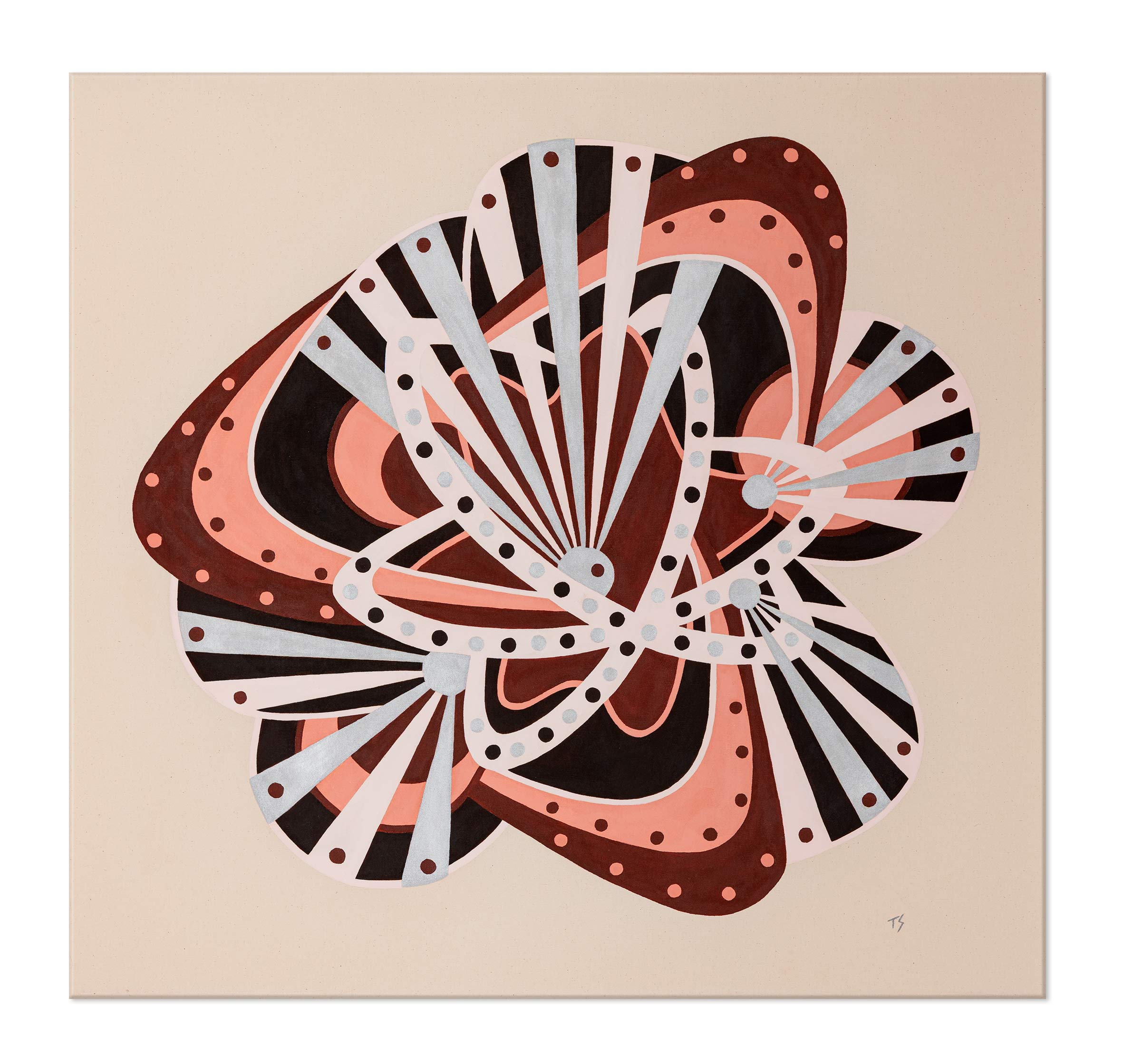
Moon Shooter
The Lunar Euselenops sea slug became a mirror for the parts of myself I once experienced as vulnerable, but which evolved into my greatest strengths. I always tried to protect those qualities, believing they made me too fragile in a world that seemed to value certainty and speed. Looking back, sensitivity, observation and a different way of moving through the world shaped not limitations, but resilience. Like the moon’s reflected light, strength can emerge from unexpected places.
The elusive Lunar Euselenops sea slug reveals how adaptation can transform vulnerability into strength. Emerging from the sand at night, this moon-shaped sea slug propels itself through the darkness with surprising speed and grace, guided by its sensory abilities. These specialised structures allow it to navigate, hunt and remain hidden within its environment.
Euselenops seems almost an earthly ‘Artemis—a moonshooting sea slug’, gliding silently across the dark ocean floor. The Greek goddess is associated with the moon, wilderness, hunting and protection. Twin sister of Apollo, she embodies not the radiant force of the sun, but the quieter light of the moon, illuminating what would otherwise remains unseen. Where Apollo’s light is carried within, Artemis’ light falls gently across the world, revealing what has always been there.
Moon Shooter celebrates the invisible resources within vulnerability. It asks us to reconsider what we inherit, what we transform, and how unexpected parts of ourselves can become sources of reclaimed power. Together with Sun Lighter it reflects on transformation, and forms a natural dialogue between connection and individuality: some forms of life evolve by embracing connection, while others transform challenge into strength. They remind us that resilience is never singular, but emerges through many different ways of adapting to the world.
♫ The Whole of the Moon – Waterboys
♫ Never Tear Us Apart – INXS
About the making process: from digital to tactile
For We All Have Wings, I began by drawing by hand with my digital pen, intuitively yet precisely finding the composition, colours, and balance. I then translated the outlines of the drawing onto plain, unbleached cotton fabric, creating a tactile foundation for the artwork. I painted each element using only a small brush and acrylic paint, to transform the digital composition into a unique, entirely hand-painted artwork.